Get up to $500 in flight credits or grants toward study or internship programs abroad when you apply by November 01, 2026. See our Official Rules for full details.
From centuries-old temples and neighborhood festivals to cutting-edge technology and dynamic urban centers, studying abroad in Japan offers endless opportunities to make the city your classroom. Explore local cafés, shops, and markets. Discover the arts through theater, design, and pop culture. Take in the country’s diverse landscapes, from peaceful gardens to dramatic coastlines and mountain ranges. Make Tokyo, Japan, your study abroad destination and experience the rich traditions, modern innovations, and everyday life that shape this unique island nation.
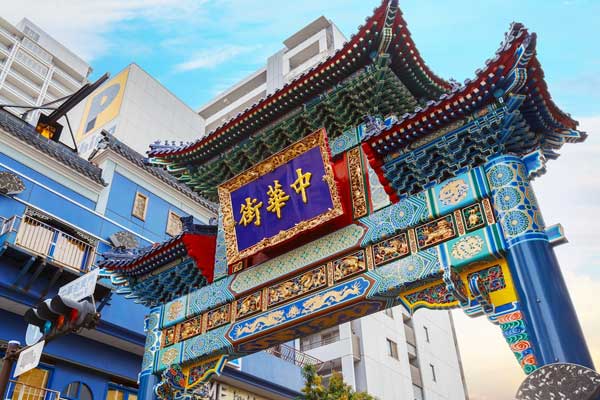
Yokohama offers a unique metropolitan atmosphere and is only an hour away from Tokyo. Yokohama is an extremely walkable city with a nice waterfront with a rich history. Former...
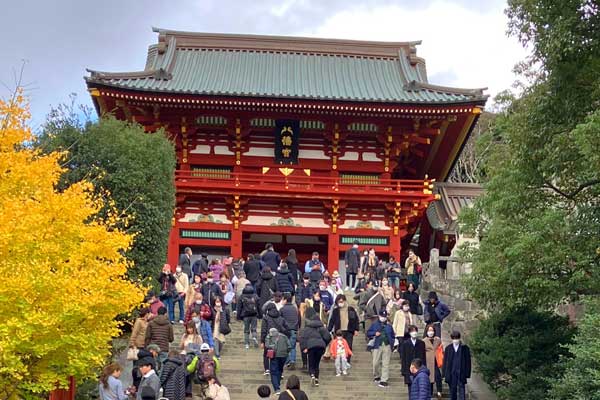
Kamakura
This coastal city is a very popular destination for its temples, shrines, and historical monuments — and is even more spectacular in the autumn. We'll visit the famed Tsuruoka...
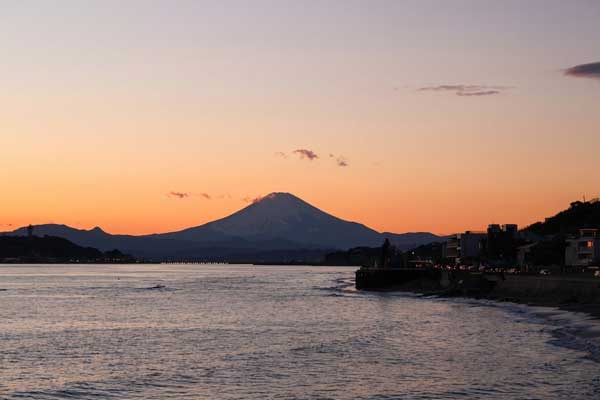
Mt. Fuji
Get the best views (and pictures) of Japan's iconic highest peak. On this day trip, we'll explore the sacred mountain and surrounding areas, learning what makes Fuji-san so si...
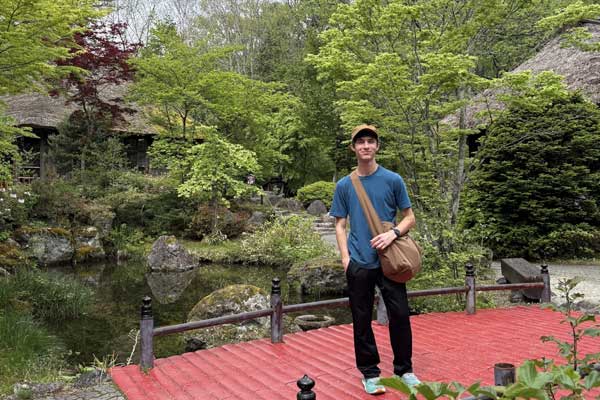
Nikko
Take a day to escape to a small, historic town in the mountains and one of Japan's spectacular national parks. Explore the history of the early Edo period at Toshogu Shrine, t...
The CEA CAPA Tokyo Center, soon to be located in the heart of Tokyo, places you in one of the city’s most energetic and well‑connected areas. Known for its blend of business, culture, and tec...
Students take courses in engineering, business, computer science, and humanities at the CEA CAPA Tokyo Center, CEA CAPA's flagship study abroad program in Japan. The curriculum reflects Tokyo's role as a global leader in technology and innovation. Classes integrate the city as an extended classroom through site visits, guest speakers, and local case studies. All courses are taught in English and designed to complement most undergraduate majors.
No, but learning Japanese enhances your daily experience. English is spoken in many business districts and tourist areas, and signage often includes English translations.
Tokyo has one of the world's best public transportation systems. Most students use the metro and train lines to commute, with a rechargeable IC card (Suica or Pasmo). Tokyo's trains are punctual, clean, and extensive, with many stations featuring English signage and announcements.
Tokyo is more affordable than many students expect. Budget-friendly options exist for food, transportation, and entertainment. A bowl of ramen costs ¥800-1,200 ($6-9 USD), convenience store meals run ¥400-600 ($3-4 USD), and a month-long transit pass typically costs ¥10,000 ($70).
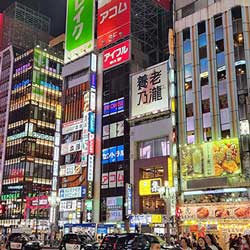
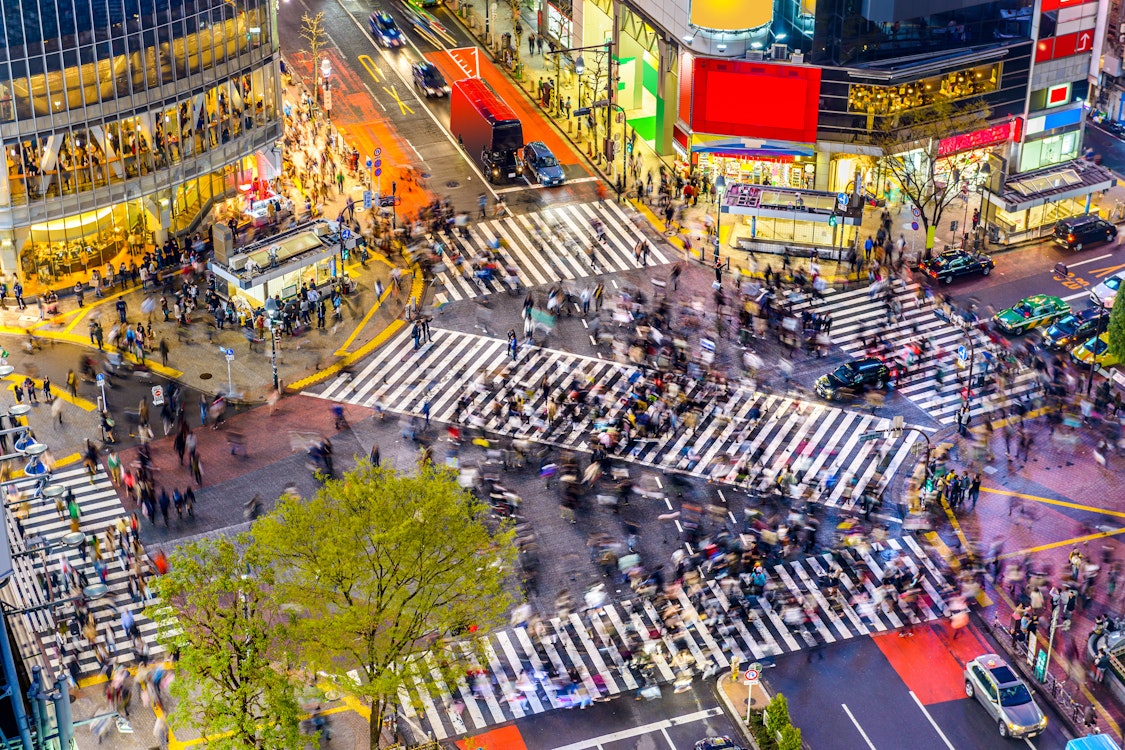
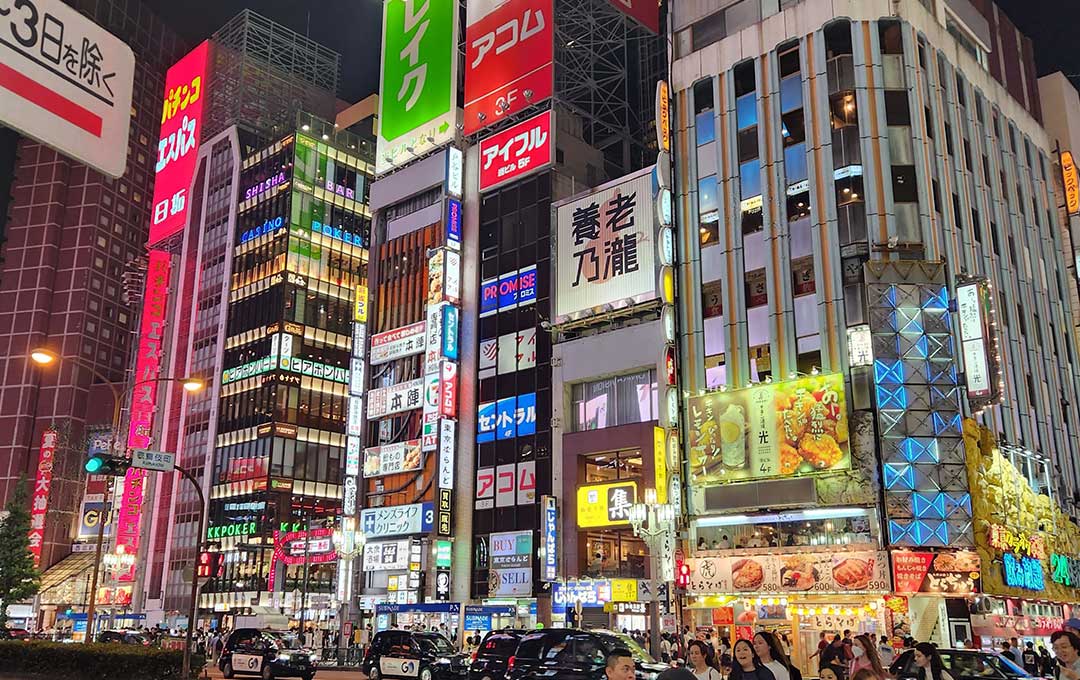
Shibuya Crossing
One of the world’s busiest and most recognizable pedestrian intersections, pictured in countless films and shows. Over 3 million passengers travel through the Shibuya metro station each day. During its busiest times, an estimated 1,000 to 2,500 people make their way across every two minutes.
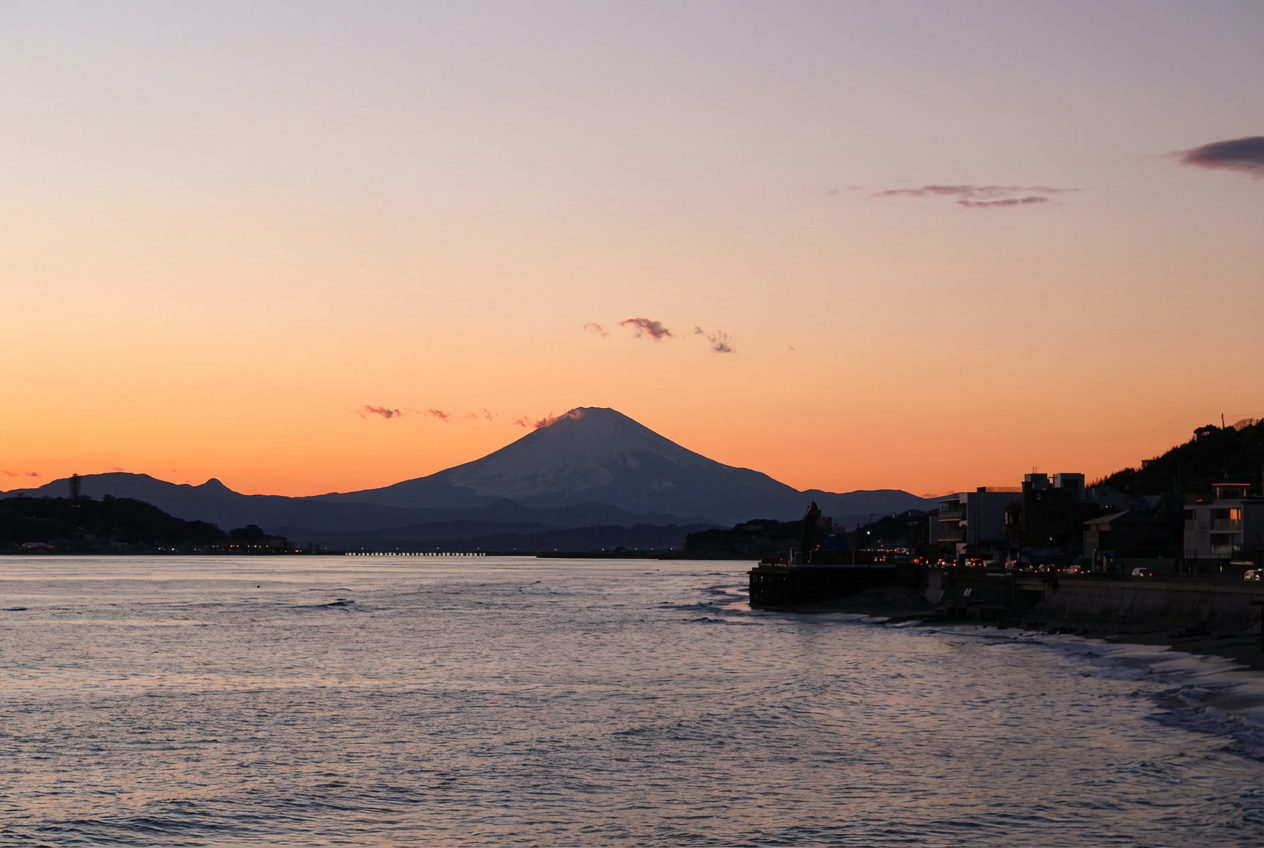
Mount Fuji
Japan’s most famous natural landmark and its tallest mountain. About 60 miles away from Tokyo, it’s visible from the city on clear days. This Japanese cultural icon is frequently depicted in art and loved by sightseers, hikers, and climbers.
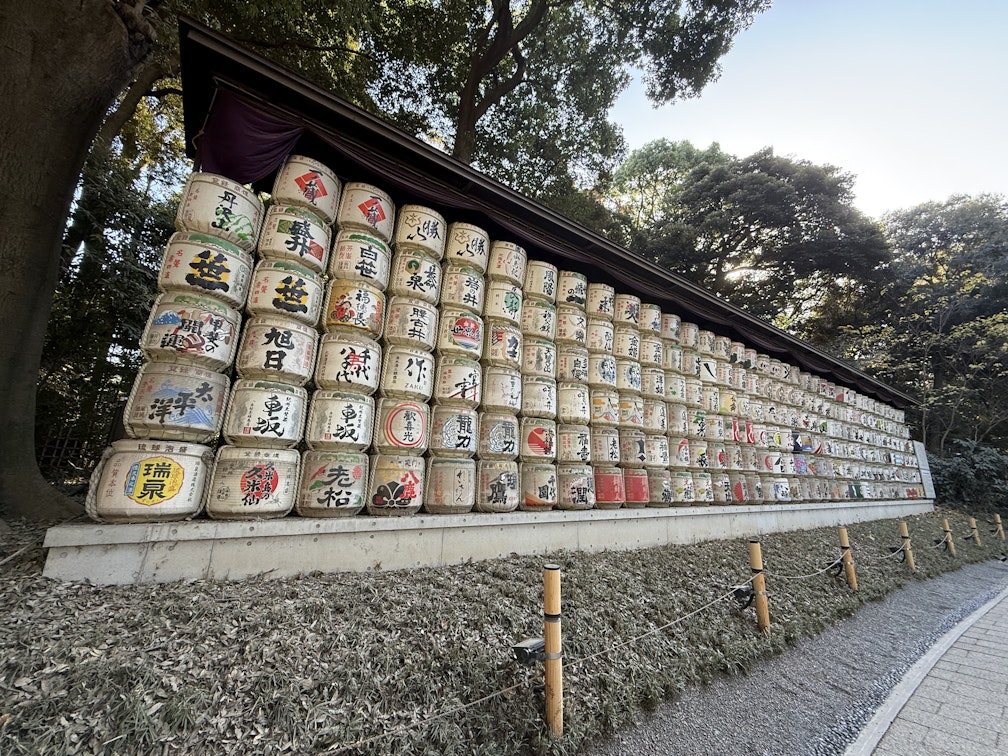
Meiji Jingu Shrine
A major Shinto shrine set in a large forested park near bustling Harajuku. Write your wishes on wooden ema plaques, make a small donation to receive a traditional Waka poem, or visit on a weekend to witness Shinto wedding processions.
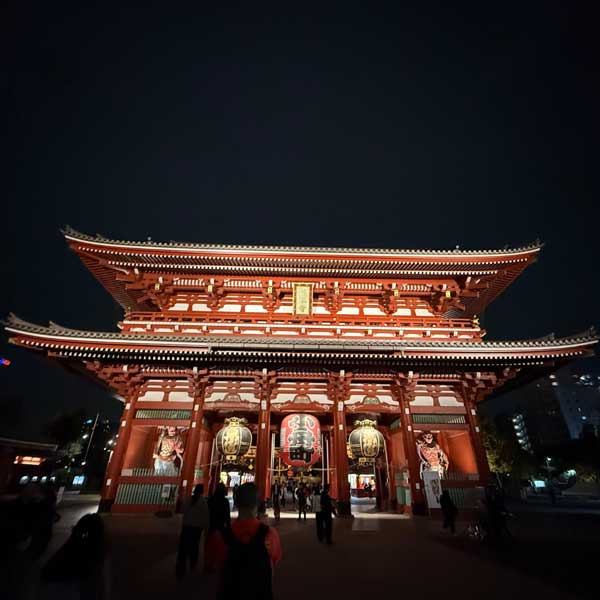
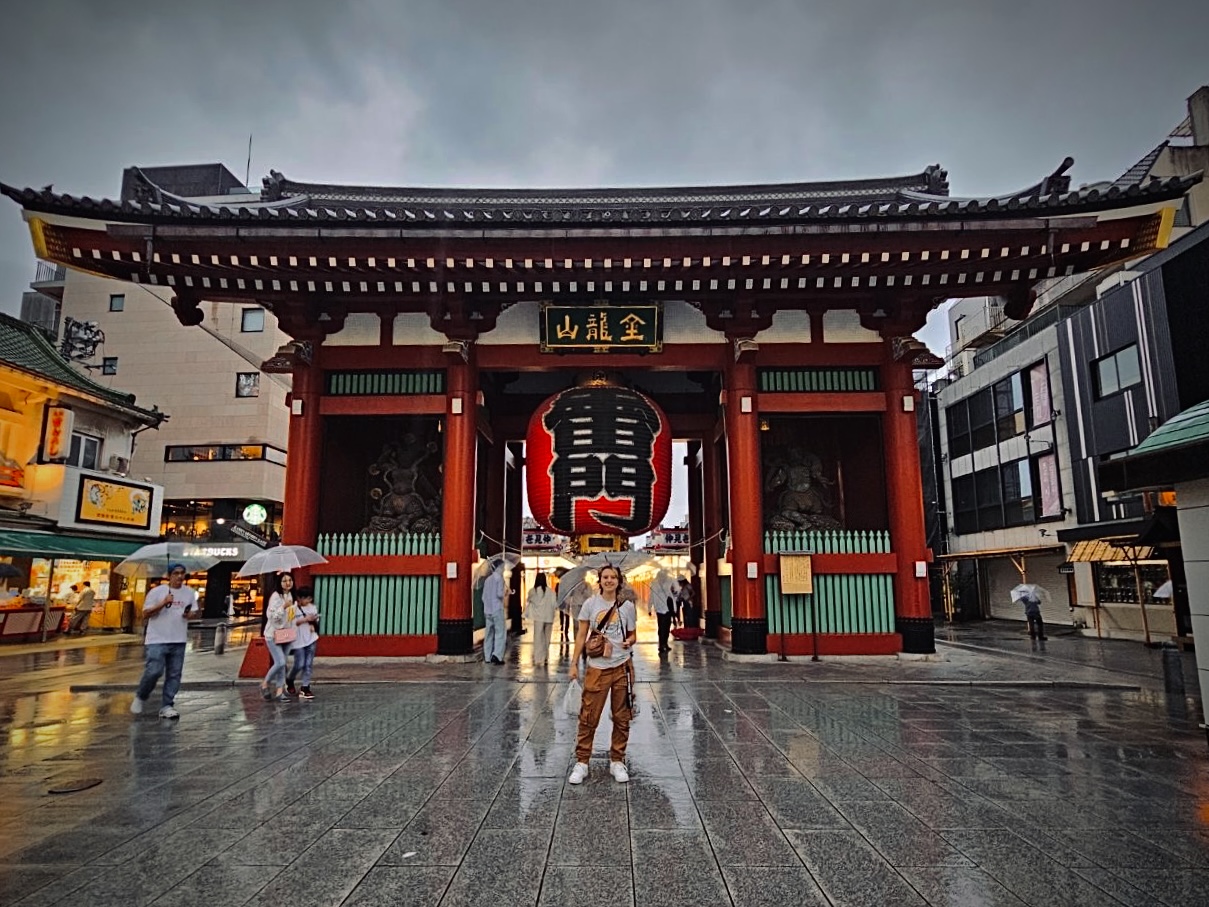
Senso-ji Temple
Tokyo’s oldest and most visited temple, famous for its Kaminarimon Gate, Nakamise shopping street, and colorful five-story pagoda. Throughout the year it hosts several important cultural events and popular markets.
CEA CAPA Tokyo Center
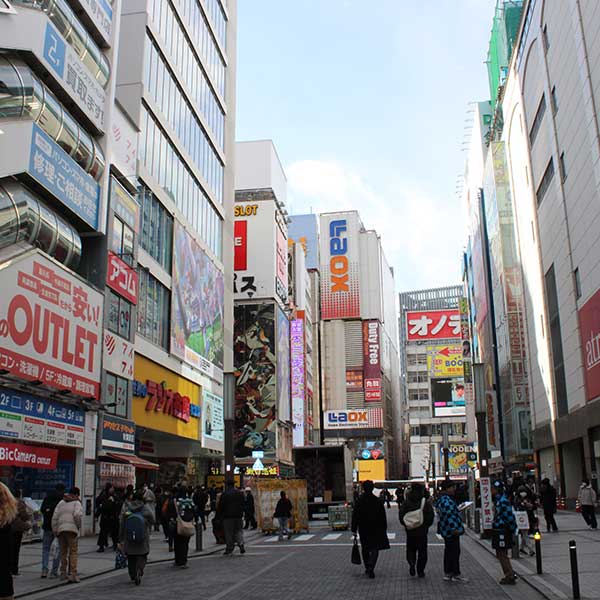
The CEA CAPA Tokyo Center, soon to be located in the heart of Tokyo, places you in one of the city’s most energetic and well‑connected areas. Known for its blend of business, culture, and technology, this area offers convenient access to major transportation hubs, commercial centers, and the everyday life of Tokyo. From lively streets and quiet side alleys to shops, cafés, and cultural sites, you’ll have countless opportunities to explore the city between and beyond your classes.
The Tokyo Study Center will offer courses in engineering, business, and computer science, reflecting Tokyo’s role as a global leader in innovation and industry. Courses in the humanities will complement these academic areas, allowing students to gain insight into Japanese culture, history, and society while building a well‑rounded academic experience. Many classes will use Tokyo as an extended classroom, incorporating site visits, guest speakers, and local case studies to help you connect what you learn to the world around you.
A dedicated onsite team will provide support throughout your time in Japan, helping you navigate your academic goals while offering activities and guidance that introduce you to life in Tokyo. Whether you’re looking for academic assistance, local recommendations, or cultural programming, the team will be there to help you make the most of your experience.
With modern facilities designed for study, collaboration, and community, the CEA CAPA Tokyo Center will create a welcoming environment for learning in the heart of one of Asia’s most dynamic cities.
Transcript Information
Courses at the CEA CAPA Tokyo Center are transcripted by the University of New Haven (UNH), CEA CAPA’s School of Record
Accreditation
Courses taught at the CEA CAPA Tokyo Center have been designed in conjunction with, and approved by, the University of New Haven (UNH). In addition, faculty appointments have been approved by UNH. After the successful completion of a session at the CEA CAPA Tokyo Center, you will receive credit for your work from UNH. Located in Connecticut, the University of New Haven is a student-focused, comprehensive university that’s fully accredited by the New England Commission of Higher Education (NECHE). The agreement between CEA CAPA and UNH follows the highest standards of good practice in education abroad and satisfies the rigorous requirements of the University's institutional accreditor, making credits earned at the CEA CAPA Tokyo Center easily transferable to US-accredited institutions. To learn more about UNH's service as a School of Record for CEA CAPA, please contact Academics@ceacapa.com.
Grading
Professors at the CEA CAPA Tokyo Center carefully evaluate students' work and progress throughout their academic session. When calculating final grades, instructors consider written and oral exercises, homework assignments, attendance, classroom participation, and exam performance.
The following grading scale is in use for CEA CAPA center-delivered syllabi:
DESCRIPTOR
ALPHA
NUMERIC
GPA
REQUIREMENT/EXPECTATION
Outstanding (High Distinction)
A
93+
4.0
Maximum grade: In addition to description for grade "A-", the participant shows detailed understanding of materials about which he or she can show independent analytical ability. This means the ability to question an issue from different perspectives and evaluate responses in an objective manner.
Excellent (Distinction)
A-
90 - 92.99
3.7
Participant shows understanding of literature beyond the textbook/class hand-outs/class notes, and the work shows a high level of independent thought, presents informed and insightful discussion, and demonstrates a well-developed capacity for evaluation.
Very good (High Credit)
B+
87 - 89.99
3.3
Shows evidence of a capacity to generalize from the taught content, or the material in literature, or from class lectures in an informed manner. Also, the work demonstrates a capacity to integrate personal reflection into the discussion and an appreciation of a range of different perspectives.
Good (Credit)
B
83 - 86.99
3.0
The work is well-organized and contains coherent or logical argumentation and presentation.
Good (Credit)
B-
80 - 82.99
2.7
Participant shows understanding of literature beyond the textbook and/or notes, and there is evidence of additional reading.
Average (Good Pass)
C+
77 - 79.99
2.3
The work demonstrates a capacity to integrate research into the discussion and a critical appreciation of a range of theoretical perspectives. Also, the work demonstrates a clear understanding of the question and its theoretical implications and demonstrates evidence of additional reading.
Adequate (Pass)
C
73 - 76.99
2.0
Shows clear understanding and some insight into the material in the textbook and notes, but not beyond. A deficiency in understanding the material may be compensated by evidence of independent thought and effort related to the subject matter.
Below Average (Borderline Pass)
C-
70 - 72.99
1.7
Shows some understanding of the material in the textbook and notes. A deficiency in any of the above may be compensated by evidence of independent thought related to the subject matter.
Inadequate (Borderline Fail)
D+
67 - 69.99
1.3
Fails to show a clear understanding or much insight into the material in the textbook and notes.
Poor (Fail)
D
60 - 66.99
1.0
Besides the above for D+, participant has not shown interest or engagement in the class work or study.
Poor (Fail)
F
<60
0
Shows little or no understanding of any of the material.
Classroom and Information
Attendance will be required 4-5 days per week, and you will be expected to prioritize your courses over any personal travel.
Faculty may come from a variety of cultural, academic, and professional backgrounds.
Periodic exams, homework assignments, and final exams will be administered.
Attendance in all classes is mandatory and monitored by each instructor.
You’ll attend class with other CEA CAPA students.
Teaching styles may differ from those in the U.S. Be prepared to adapt to new classroom structures and coursework expectations.
Small class sizes mean more personalized attention from your instructors.












.jpg)
