
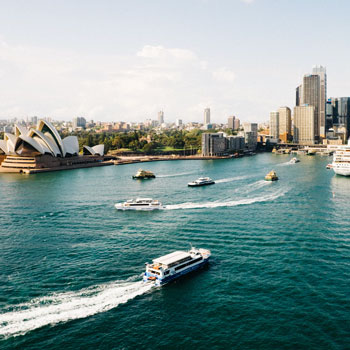





Finding Wonder in Galway’s Wild Places
Before studying abroad in Ireland, I thought I understood conservation. As a wildlife biology and natural resource management major, my education has been shaped by ecosystems across Michigan in the United States. These landscapes include the Great Lakes, mature forests, and various wetlands. I started my summer study abroad ecology course at the University of Galway expecting to learn about Ireland’s species and habitats, but I left with a connection to the land and people of Ireland. Now, I have a completely new perspective on what it means to protect the Earth.
The biggest lesson I learned from Galway and my time in Ireland more broadly is that conservation is not just about ecosystems. It revolves around people, history, culture, and the relationship between communities and the landscapes they call home.
Learning About Irish Conservation Efforts
Throughout my lectures, my professors turned us students into biologists beyond the walls of the university. Instead of only learning about ecological concepts through lectures and labs, I was able to experience them firsthand through fieldwork across Ireland. We explored coastal dunes, walked limestone pavements, mushed around in bogs, hiked woodlands, and examined urban green spaces. Each environment cohesively allowed me to gain a stronger sense of how humans interact with nature.
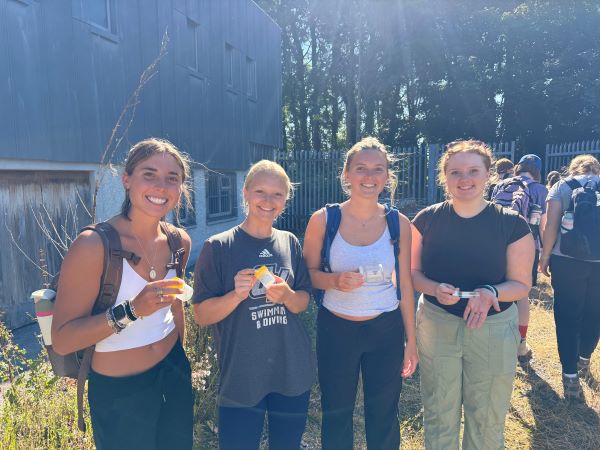
Just a few moth enthusiasts.
Visiting places like the Burren, Connemara, Finavarra, and other landscapes surrounding Galway allowed me to see conservation efforts in action. These ecosystems were not just beautiful; they were uniquely under care of the National Parks & Wildlife Service and private landowners. Each strategy of restoration and protection that we learned about is aiming to rebuild the ecosystems to return to their primitive form. For example, bog drains help retain precipitation and oak and birch species are planted in cleared conifer monoculture plots. All of this work boosts diversity in each ecosystem. Ireland showed me that successful conservation not only requires factual data, but an understanding of culture, agriculture, and the history of the land.
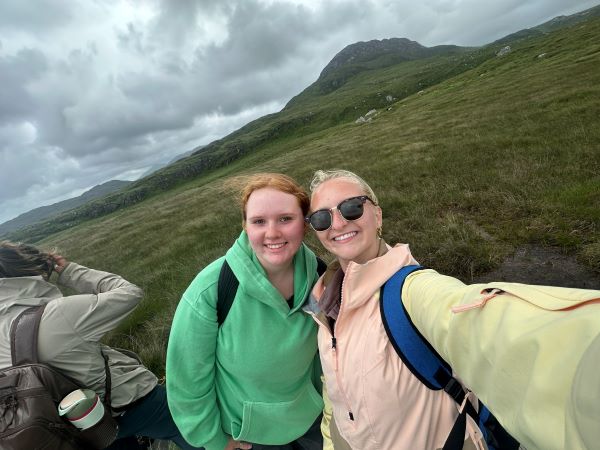
Connemara National Park landscape, where we hiked to the top of Diamond Hill.
One of the most impactful parts of my journey was experiencing the relationship between the locals and nature. Unfortunately it's difficult to explain with words how passionate the people of Ireland care for the environment. It’s genuinely emotional. Commonly in the US I interact with adults who see our land as an object to solely provide for us humans. That, I believe, is not how we should approach our relationship with the land. We need to provide for and protect our Earth to receive clean drinking water, breathable air, nutritious food, land to live on, etc. For Ireland residents I interacted with, it's not optional to keep their land healthy; in the US, a decent percentage of people could care less about this.
Thankfully this perspective challenged me to think about conservation on a global scale, which overall is beneficial to my education as I now have knowledge of another country’s regulations that could benefit policies in the US. There is no single solution to environmental issues because every country faces different social, political, and ecological challenges. Comparing Ireland’s National Parks & Wildlife Service with conservation agencies in the United States helped me recognize that different approaches can both be valuable depending on the needs of the community and environment.
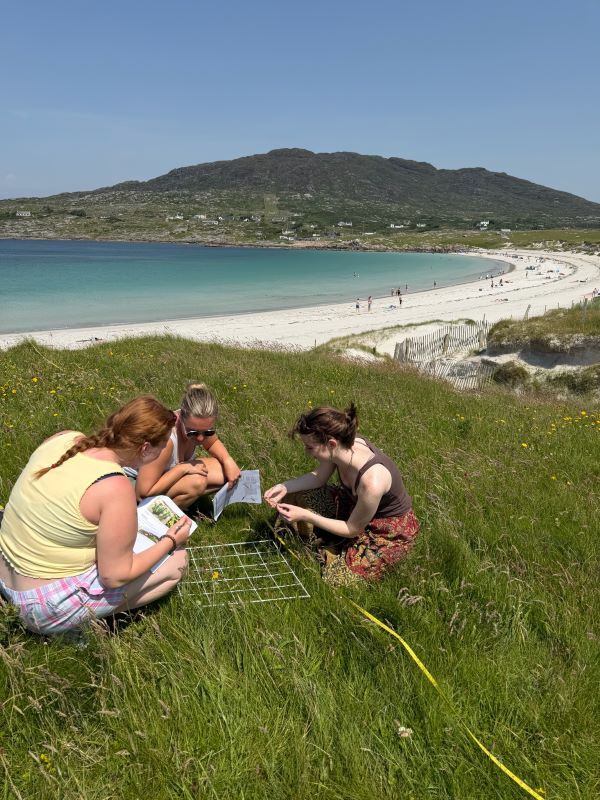
Coastal dunes quadrats and habitat assessment in Dog’s Bay.
Enjoying Everyday Life in Ireland
Outside of academics, everyday life in Ireland became just as important in relation to my education and growth as a human being. Navigating public transportation, grocery shopping, adjusting to crazy weather (yes, crazy just like Michigan), and communicating with people from different cultures pushed me beyond my comfort zone. I quickly learned that to not get overwhelmed I need to harness the skill of patience and flexibility as soon as possible.
Topping off the list of challenges I worked through was becoming the “planner” of my group. When my roommates were unsure of directions, transportation, or evening plans, they often looked to me for answers. At first, this responsibility felt daunting. I do not particularly enjoy always being the person making decisions. Over time I gained confidence in speaking up and encouraging others to share their ideas and to make their own decisions when navigating unfamiliar situations. I’m proud of myself for communicating and letting the load off my back.
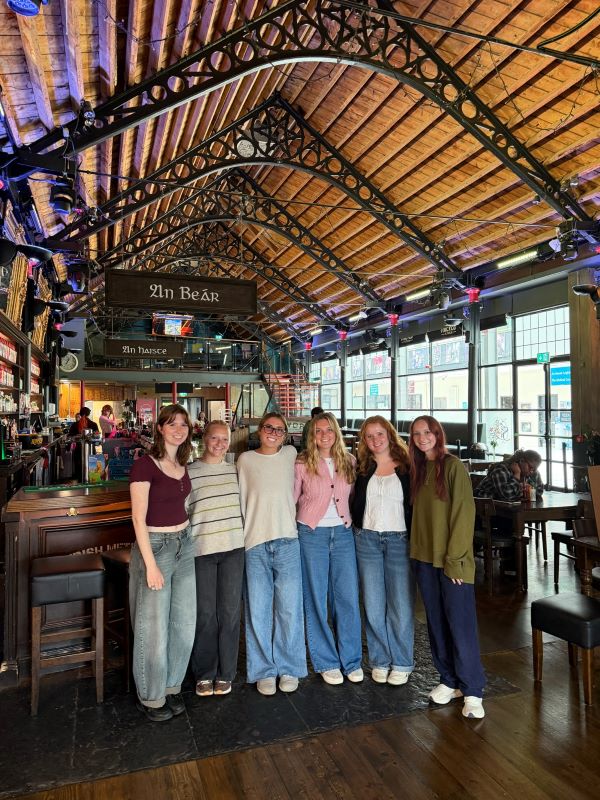
Enjoying Sult, the campus pub, for a final gathering before departing campus.
My roommates were the most memorable part of my journey. We still text one another about our own travels since wrapping up our three weeks abroad together, and even have plans to see each other in the fall. We shared meals, pints, memories, card games, dances, and dreams. Not only were we each on our own adventures, but we also got to share them with each other, our professors, and our student assistants who helped guide us through our concerns and struggles.
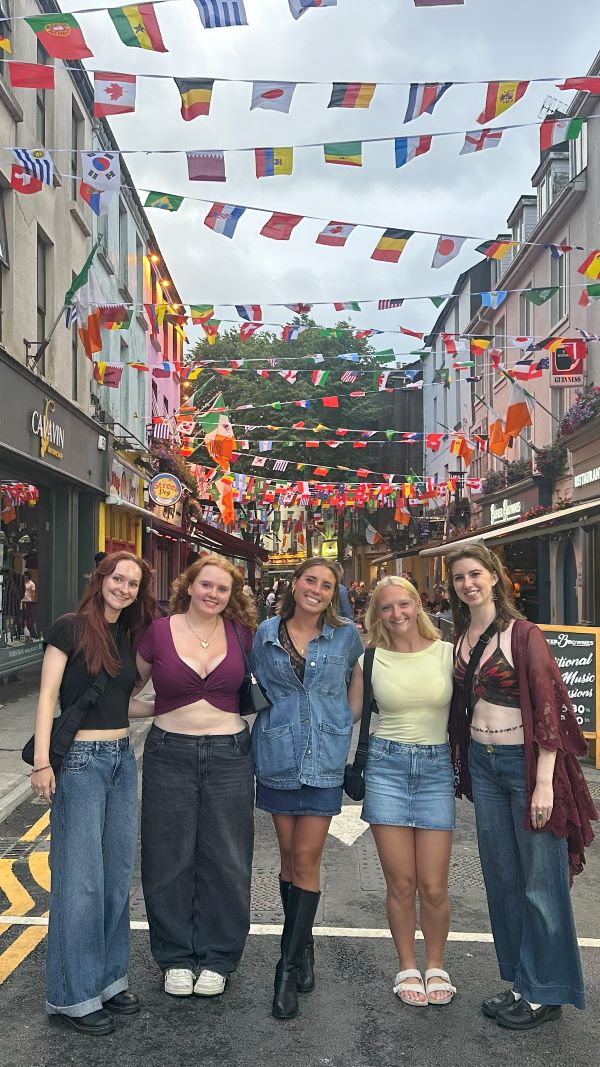
Going out on the town with the roommates!
To future students considering studying abroad, do it. My biggest advice is to embrace discomfort. Settle into that nervous feeling, and learn to be Type C. Have plans, but don’t get frustrated if something spontaneous bombards the schedule. Be prepared, but don’t stress if your confusion or curiosity strays you away from complete understanding. Before leaving, I worried about traveling internationally, alone. I am now a seasoned traveler at the ripe age of 20 thanks to two cancelled flights and an evening solo exploring Dublin. The moments when I felt uncertain became the moments when I learned the most.
Studying abroad in Ireland reminded me that the Earth is something we are all responsible for protecting, regardless of where we come from. The landscapes I explored, the people I met, and the lessons I learned will continue influencing the scientist and person I hope to become. I’m grateful for the opportunity to have shared this adventure with friends and family while growing more confident and independent along the way.
