









Studying Abroad in Florence with a Chronic Illness
As I walked up the endless hill to the Piazzale Michelangelo for the first time, I started to wonder if my chronic illness meant I just wasn’t built for a life of travel. When my plane took off from the beautiful city of Florence a month later, I left any doubts about my ability to take care of myself on the tarmac. For those of us who are chronically ill, some endeavors are a whole lot more daunting than others - hopefully, I can give you the reassurance you need to take the next leap towards studying in the country of your dreams.
Before You Go Study Abroad
Some of the most important ways to take care of yourself while studying abroad happen before you get on the plane. Do you have housing and/or academic accommodations at your college? Do you take daily medications to manage your symptoms? Will you need to go to the doctor often in your new country?
While most people will be paying special attention to things like passports and learning some phrases in a new language, us chronically ill folks have some more things we have to put together before traveling. CEA CAPA makes it super easy to transfer any pre-existing accommodations into their system, so make that a priority during your application process! Your on-site staff will do everything they can to help you once you’re abroad, but it makes everyone’s life easier if all of this information is shared ahead of time.
Since my program only lasted 4 weeks, it was pretty easy for me to get a large enough supply of any medications. If you are doing a longer program, get in touch with your doctor(s) ASAP! Trust me, you don’t want to be playing phone tag with a pharmacy while trying to pack your suitcase.
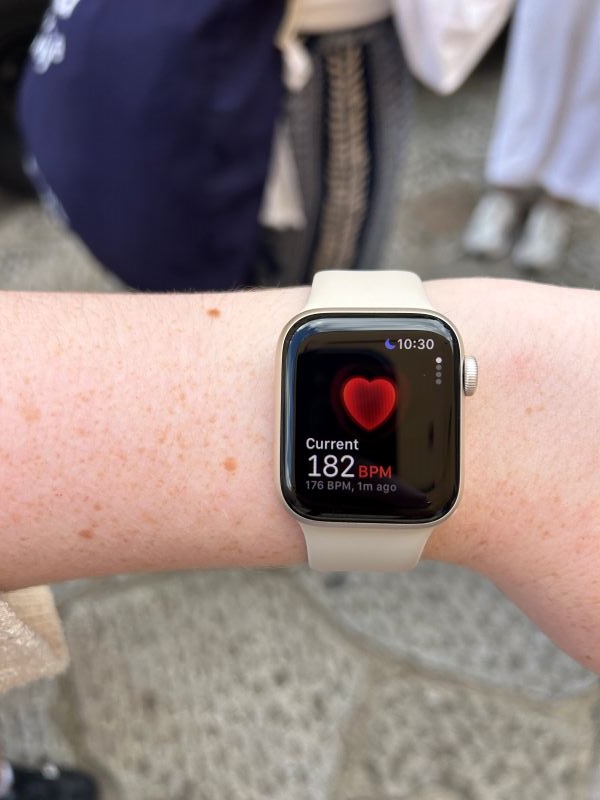
My smart watch was one of the first things I packed in my carry-on, since it’s my most important tool for keeping track of my heart rate and other physical stats!
Adjusting to Your New Home
Some people handle change very well - if that’s you, I’m jealous! Personally, I find peace in routine and familiarity, two things that I had to relearn in a new country. On my second day, I was jet-lagged and battling some good old homesickness. I walked down the street to the local Conad City to buy supplies to cook one of my comfort meals. It turns out it is very hard to find alfredo sauce in Florence, and I ended up crying in the corner of the grocery store, grabbing a jar of pesto, and running home.
I laugh every time I think about this story now, but at the time, I was struggling to find comfort in a foreign environment. For anyone who struggles with mental/physical health issues, you know how important it is to be comfortable. One of the best parts about studying abroad is learning how to rethink what exactly that means for you. Is it a particular food? A certain article of clothing? The smell of your favorite soap? It’s a whole lot harder to manage your physical health when you are struggling to adjust, which is why I recommend not wasting any time finding what makes you feel at home in your new home.
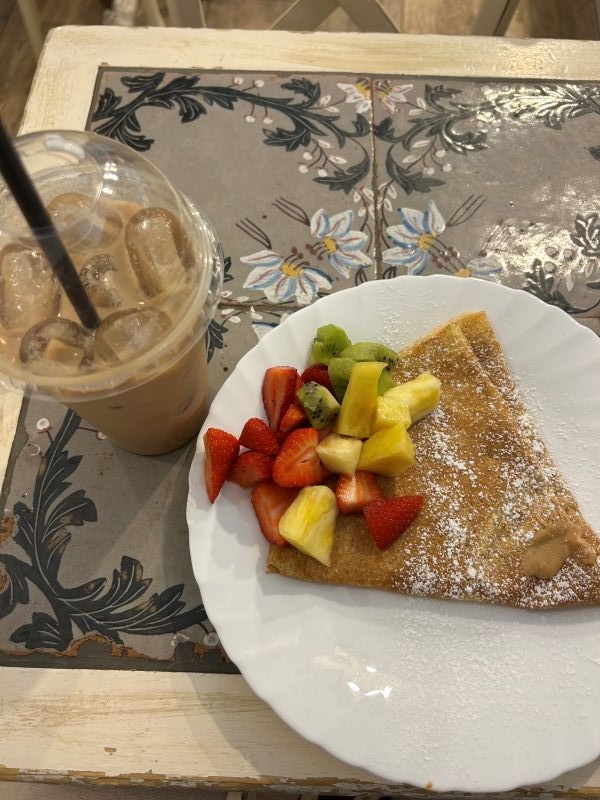
Keeping up with certain routines from home can be especially important for chronically ill people. For me, that meant making sure I had coffee and a good breakfast every morning!
Comparison is the Thief of Joy
One of the most important lessons I brought back to the United States was how unfair it is to yourself to try and be like everyone else. We are all our own unique individuals, a fact that can be much harder to embrace with a chronic illness. All throughout my experience abroad, I struggled to come to terms with the fact that my days would often look different from others in my program due to my limitations. I consistently felt like I couldn’t “keep up” with others. I quickly realized that being upset about what I couldn’t do was a lot less productive than doing the things I could.
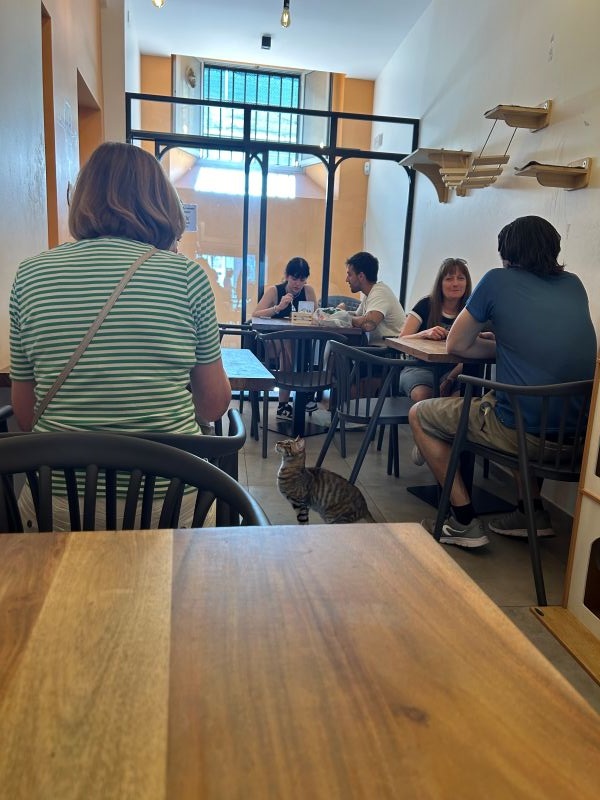
While some people opted for weekend trips to farther destinations, I found some hidden gems in my home city of Florence! One of my favorites was the Cat Cafe down the street.
Save Your Spoons
I’m sure some of you are familiar with the spoon theory; people with chronic illnesses have a certain number of metaphorical “spoons,” per day, and different activities use a different number of spoons. A 5-mile hike is going to use a lot more spoons than sitting through a live performance. Keep this in mind while you’re abroad - burnout is real, and it is not fun.
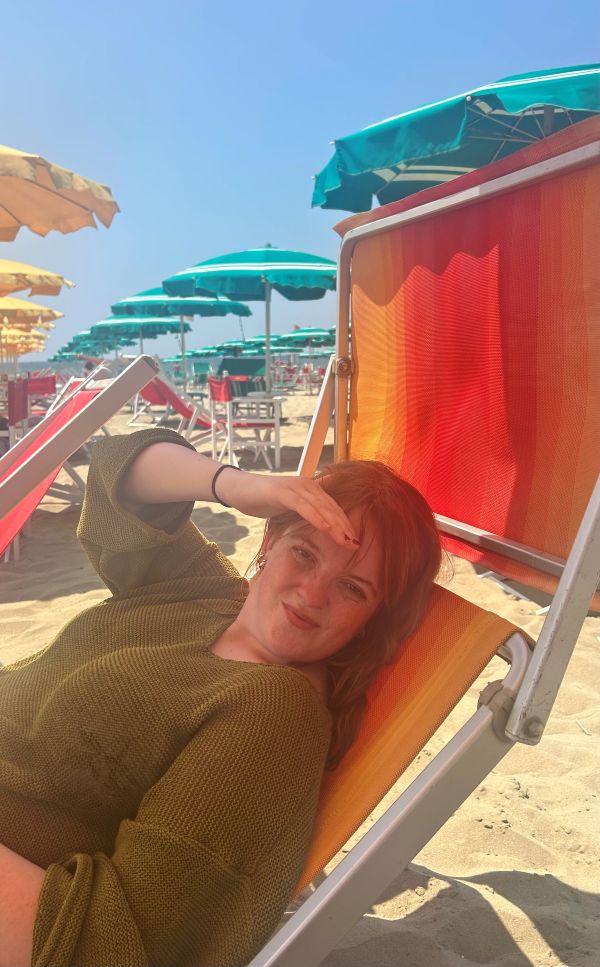
I couldn’t say no to a beach trip with my roommates, but I opted to stay in the shade to manage my heat intolerance.
Lessons Learned Make the Best Souvenirs
Looking for something priceless you can bring home from your experience abroad? How about a newfound confidence in your ability to face challenges? Or perhaps memories and stories that you can’t wait to share with your friends, family, and community? Maybe even new tools to manage your mental and physical wellbeing?
Studying abroad with a chronic illness was one of the most nerve-wracking decisions I have ever made and ended up being equally rewarding of an experience. If I can leave you with one important reminder - you have the ability to see the world through such a unique lens. Embrace it!
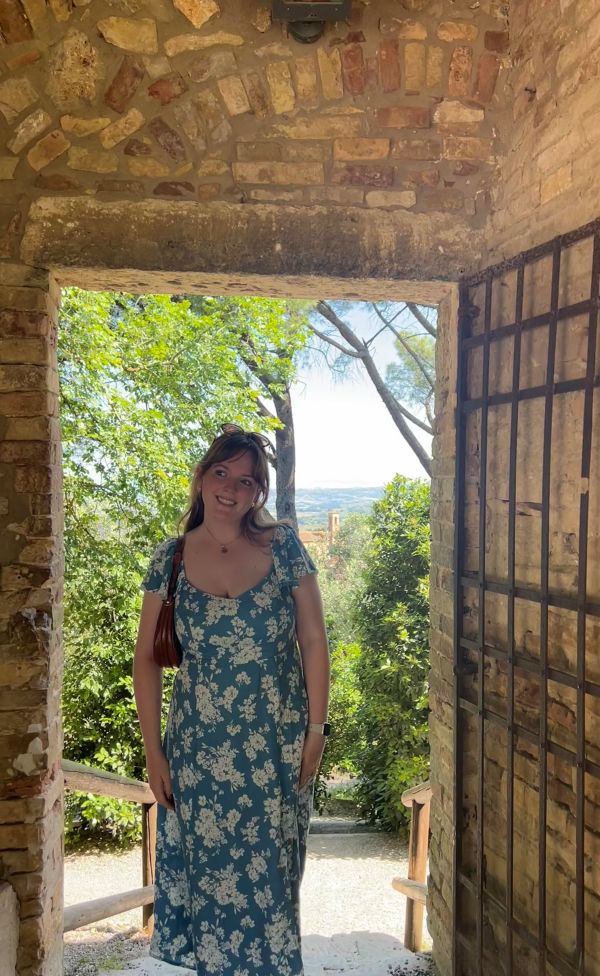
This is one of my favorite pictures from my time abroad, and it was taken during a day trip organized by CEA CAPA. I loved taking advantage of these opportunities - the less time I spent worrying about logistics, the more time I could spend rationing my energy!
This post was written by Audrianna Imka, a CEA CAPA Alum from Ohio University, who studied abroad in Florence, Italy.
