







How Field Studies Improved My Class Engagement While Studying Abroad
The courses I am taking while studying abroad are brimming with rich content. The in-class discussions in my Feminist London course have expanded my knowledge of this topic, for example. However, there is only so many of my classmates, and I can learn from and engage with a PowerPoint. This is where field studies become an important aspect of the course syllabus.
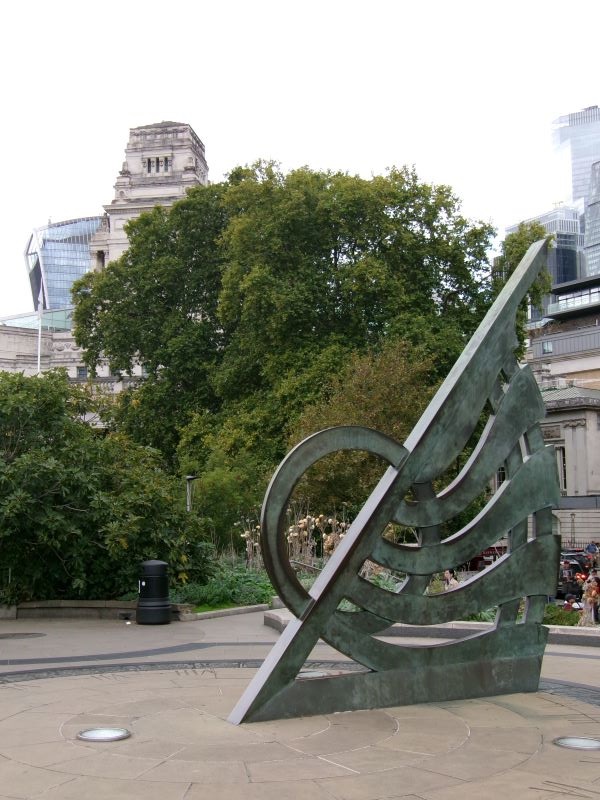
The Sundial at Tower Hill, the first stop on the East End Women’s History Tour
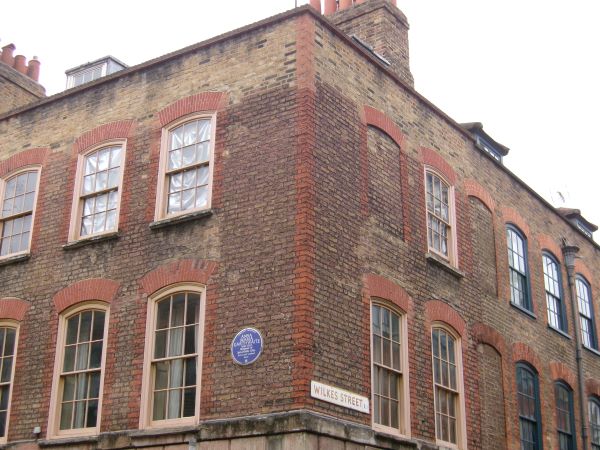
The home and workplace of Anna Maria Garthwaite, identified by a blue plaque from the English Heritage Organization
This semester, I attended two field studies for the course mentioned above. The first was a tour of the National Portrait Gallery for Feminist London, focusing on different feminists who are sitters–being painted–in portraits throughout different time periods. My class learned about women such as Mary Wollstonecraft (writer and philosopher), Mary Seacole (nurse and businesswoman), Elizabeth Garrett Anderson (physician and suffragist), as well as many other influential women throughout history. The time spent with each portrait instilled an appreciation for the work these women did that I most likely would not have felt if our learning were restricted to a classroom setting.
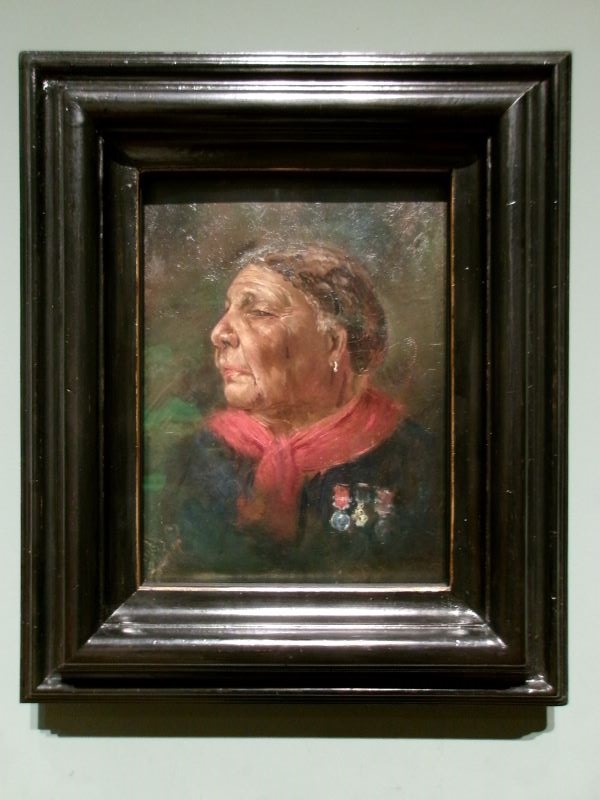
A portrait of Mary Seacole, painted by Albert Charles Challen, at the National Portrait Gallery
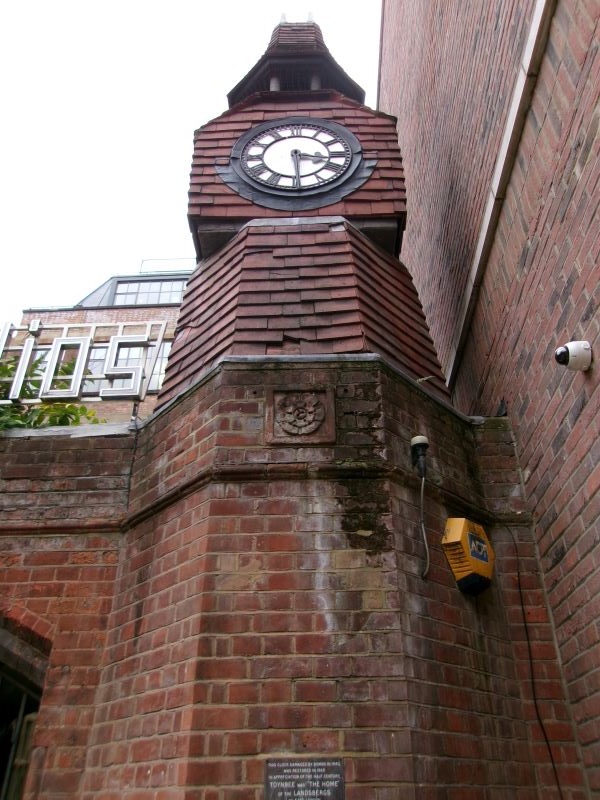
Clocktower at Toynbee Hall, a university founded by Henrietta Barnett and her husband
The second field study was an exploration of the Working Women of the East End. This tour was dedicated to women who took action in the East End of London. The class was brought to the location of Anna Maria Garthwaite’s home and workplace. She was a silk designer with a female-only workforce in the 18th century. Her work was so outstanding that George Washington had purchased one of her dresses.
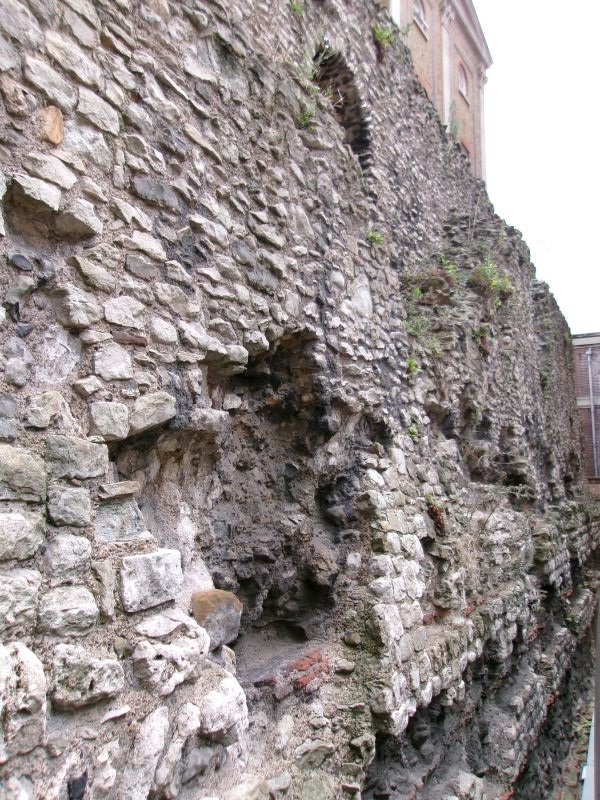
A part of the Roman Wall in East London, separating the slums (East) from the prestigious (West)
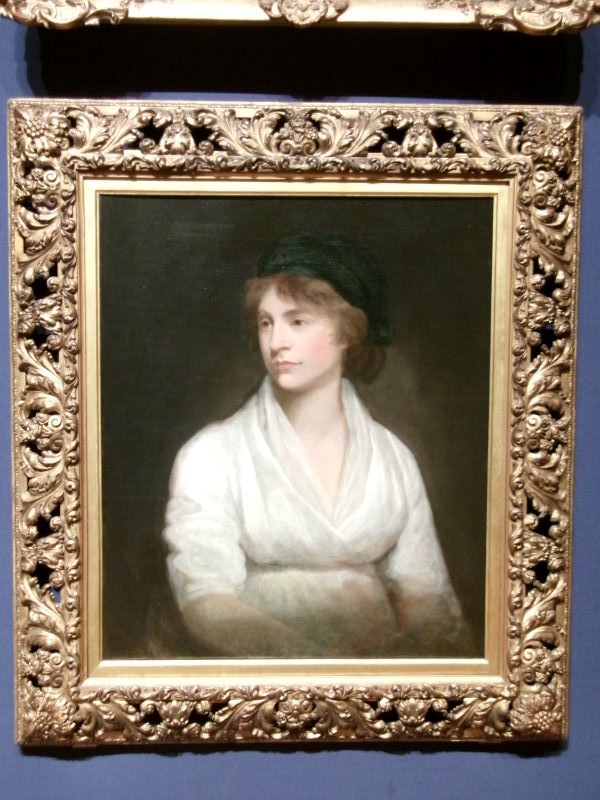 A portrait of Mary Wollstonecraft, painted by John Opie, at the National Portrait Gallery
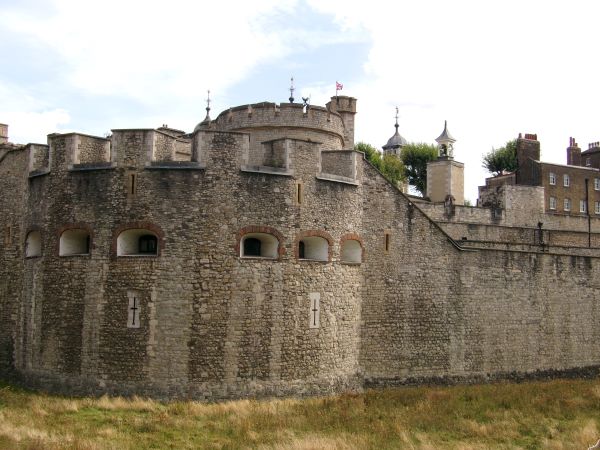
The Tower of London, the place where Leonora Coen, an English suffragette, smashed a display case in protest
We also visited Hanbury Hall, where the Match Girls–a group of working women–formed the first ever trade union. These women worked in horrible conditions and went on strike for three weeks, until the company met their demands. Learning about these places and women in the classroom would have taught the class what we needed to know, but it wouldn’t have had the same emotional effect that standing where they worked did. I could envision these women at work while I looked at the buildings and listened to their stories, something that a presentation would not have allowed.
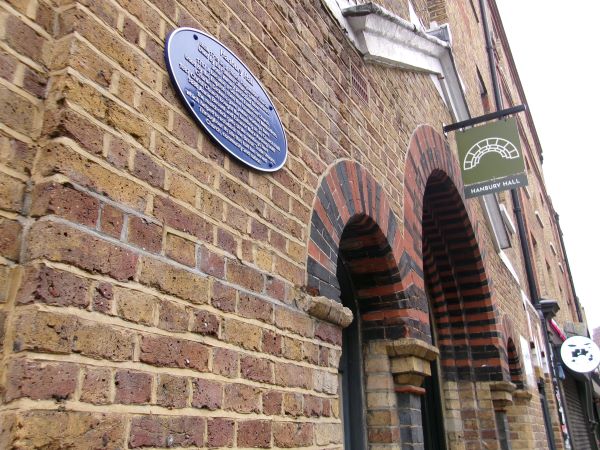
Hanbury Hall, where the Match Girls held their meetings during their three-week strike
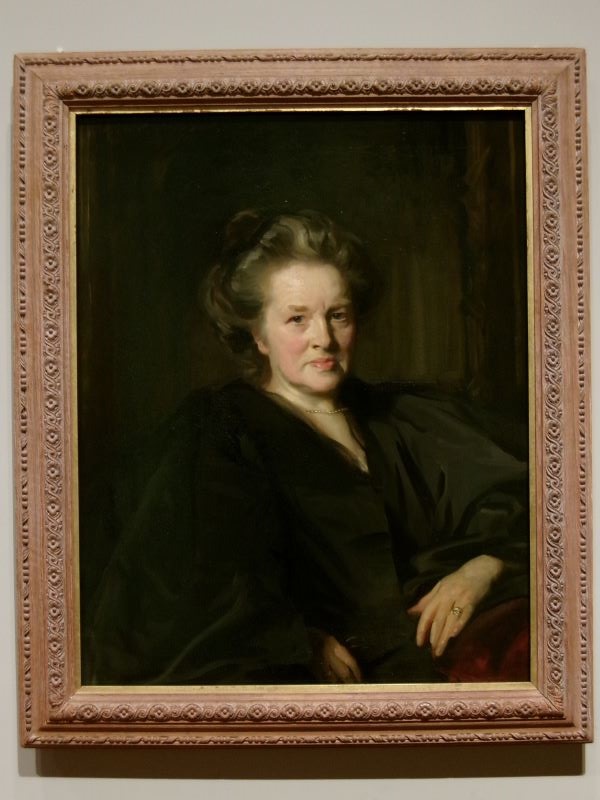
A portrait of Elizabeth Garrett Anderson, painted by John Singer Sargent, at the National Portrait Gallery
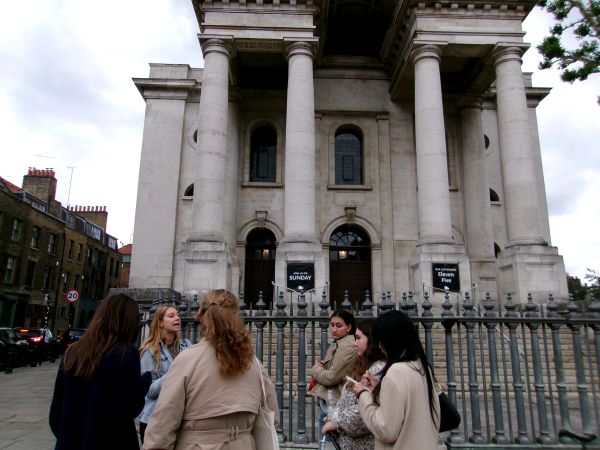
Christ Church Spitalfields, our last stop on the East End Women’s History Tour
With the ability to learn about topics in my Feminist London course outside of the classroom, my relationship to the class has grown stronger. Field studies are such an important component of a course syllabus. Rather than simply learning about the topics in class and feeling distant from them, field studies have increased my class engagement and allowed me to relate to the material on a personal level.
This post was written by Morgen Juncewski, a CEA CAPA Content Creator from Rollins College, who studied abroad in London, England.
