









Experiencing Spain's Healthcare System Firsthand During a Summer in Barcelona
During my first month studying abroad in Barcelona, I was not expecting to spend over 100 euros at local pharmacies. A few days into my time in Spain, many of my friends were unfortunately diagnosed with bronchitis, and I similarly caught a respiratory infection. It lasted around two weeks and was definitely a more challenging part of my study abroad experience.
Although my first instinct was to schedule a doctor's appointment, I learned that in Spain, people usually first reach out to local pharmacists for advice and treatment of minor illnesses. So similarly, I ventured to the pharmacy. Speaking broken Spanish, I was initially very nervous to have to explain my symptoms, barely being able to speak the language, but the pharmacists were extremely helpful and helped me practice!
Since I was sick for a while, it honestly felt like I had a new symptom every day! For this reason, I ended up visiting the pharmacies multiple times. Each time I came, the pharmacists recommended medicine to target whatever was bothering me, helping me recover much quicker after I began to take the medications. After just four days, I was almost completely recovered!
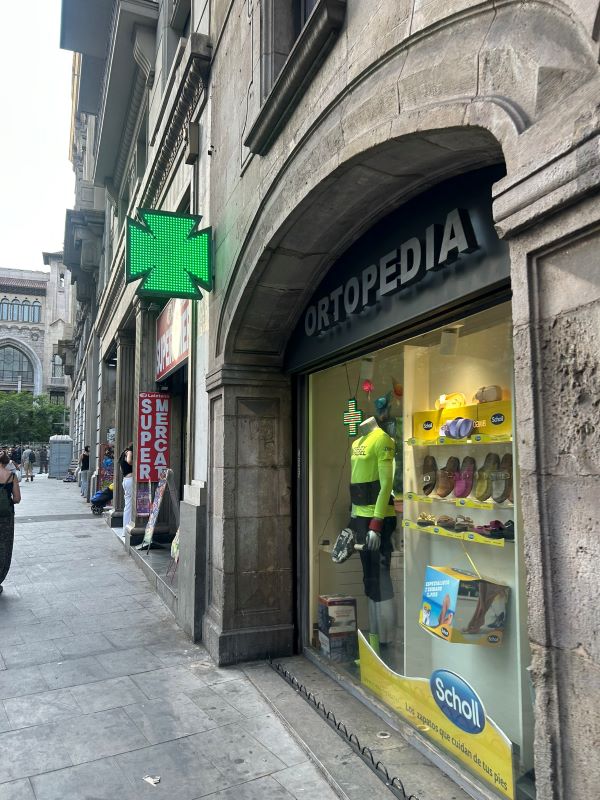
As a pre-pharmacy student, seeing the different kinds of medicines was really interesting to me. I was not used to being unable to take a pill for all my symptoms, and instead needing to take liquid medicine and lozenges. Additionally, I bought lozenges specifically aimed to improve my sore throat, which was a type of medicine that I was not used to seeing, as they usually act as cough suppressants in the States.
Additionally, a culture shock I experienced was stepping inside the pharmacies. In Spain and other parts of Europe, pharmacies look very different compared to those in the US. To start, they are labeled with either a sign saying farmacia or just a green or pink plus. Additionally, instead of large chains like CVS and Walgreens, most farmacias I encountered were independently owned. Secondly, being from the USA, I was accustomed to seeing snacks, household items, and many more daily items alongside the medicines and health items sold in the stores. Instead, when I walked into the farmacia, I noticed a prominent emphasis on skincare and wellness. The shelves were lined with high-quality skincare brands, medical devices, baby care products, and pharmacist-recommended treatments. I noticed that the layout itself reflected a prioritization of healthcare over convenience retail.
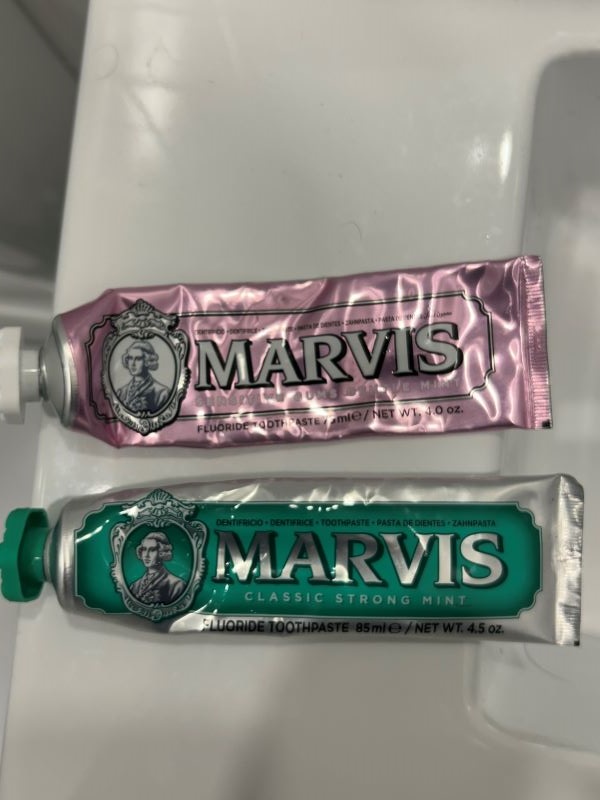
Personally, my favorite product I bought from the farmacia was Marvis toothpaste!
This experience made me realize how much a country's healthcare system shapes the role of its pharmacies. In Spain, pharmacists serve a much larger role in providing an accessible first point of care compared to in the US, where most people first visit urgent care or a physician. Looking back, getting sick was definitely not the highlight of my two months in Barcelona, but it became a valuable learning experience. I was able to understand how healthcare delivery varies globally and observe differences in practices across countries.
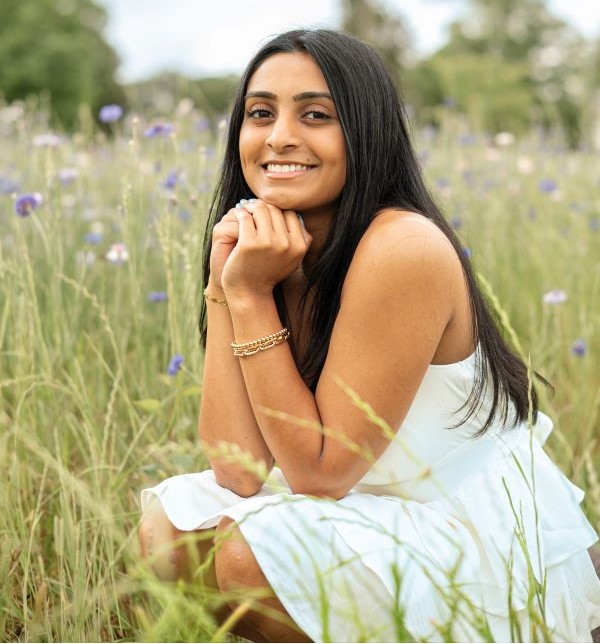
This post was written by Shreya Kolhe, a student at the University of North Carolina – Chapel Hill who studied abroad in Barcelona, Spain.
Learn more about Health, Wellness, and Safety Abroad on CEA CAPA programs.