







My Summer Studying Abroad in Costa Rica
Hello, my name is Gabriel Romero, and I’m a rising senior at West Chester University of Pennsylvania. There, I study media and cultures, with a focus on strategic communications. This summer, I had the opportunity to study abroad in San José, Costa Rica.
Why Study Abroad
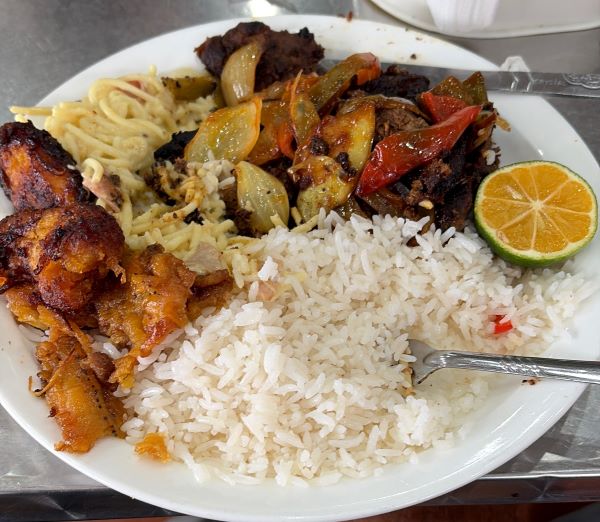
My initial choice to study abroad was rooted in my struggles with anxiety. I wanted to stop allowing the discomfort of uncertainty and the unknown to determine which opportunities I accepted. Along with this, I chose Costa Rica specifically because I wanted to reconnect and be immersed in my Latino identity. Growing up, I was surrounded by a predominantly white community, and along the way, my heritage language and culture were slowly forgotten. I wanted to have the chance to go out and reconnect, practice my Spanish, eat traditional food, and overall gain a sense of independence and self-trust that my anxiety had hindered me from developing.
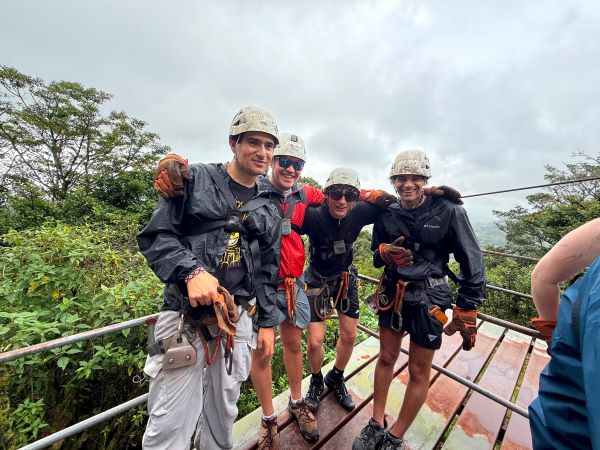
As a media and cultures student, I was also interested in experiencing another culture firsthand. It is one thing to learn about cultures, media, history, and politics in a classroom in the United States. It is completely different to live with a host family, attend a university in another country, communicate in another language, and experience the culture through everyday life. Studying abroad allowed me to combine my academic interests with a personal challenge.
Finding Myself
Being myself in Costa Rica meant becoming a more independent version of myself. At home, I am more likely to second-guess my decisions, especially when I am in an unfamiliar situation. In Costa Rica, I had to make decisions, ask questions, communicate with people, and trust that I could figure things out.
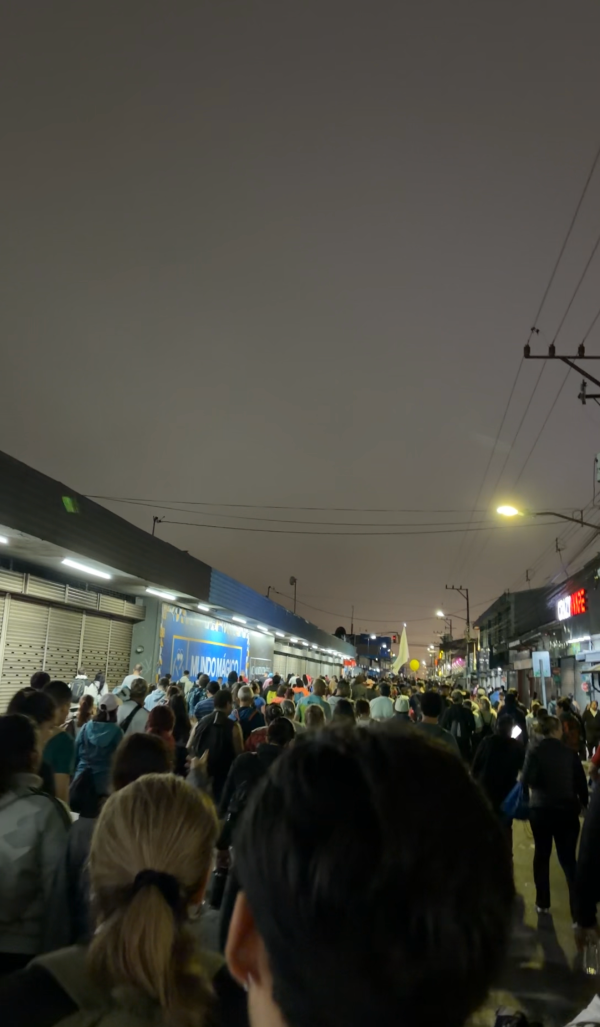
The experience that represented this independence the most was participating in the La Romería walk to Cartago by myself. Every August 1-2nd, millions of people all around Costa Rica walk to a church in Cartago to give thanks for blessings or to pray for healing and personal miracles, and for me this walk was ~14 miles. I had to rely on my own judgment and decide where I was going, when I wanted to stop, and who I wanted to speak with. When I reached the church, I was also able to pray and reflect on the experience by myself.
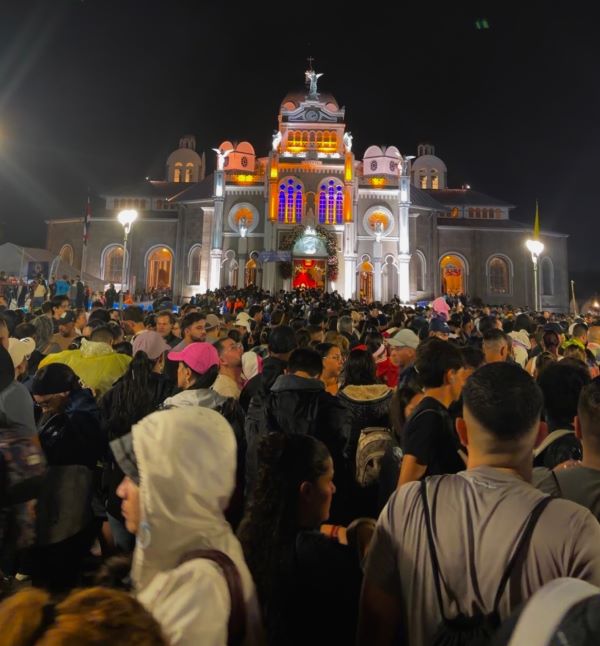
Going alone gave me a type of freedom that I did not expect. I could talk how I wanted, move at my own pace, and make choices without worrying about whether someone else would judge me.
Because nobody there knew me, I did not feel pressure to act and converse with others like the version of myself that other people expected.
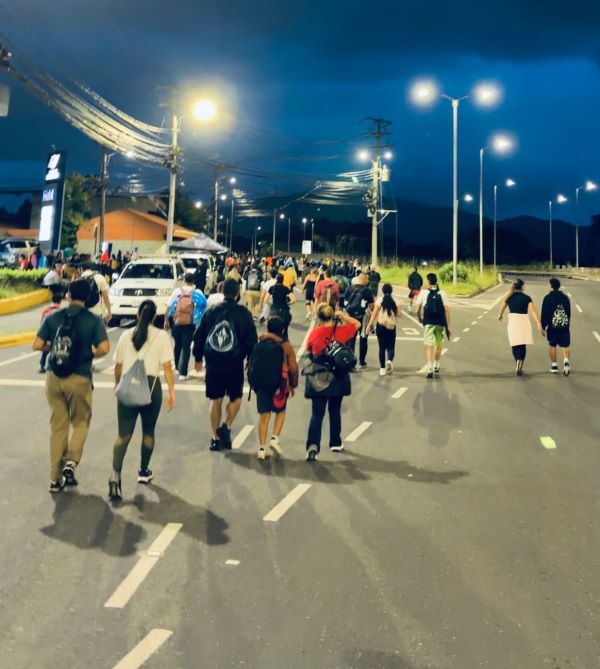
That experience taught me that people should occasionally go places by themselves. I believe when you enter a new environment alone, you can have a completely different experience. You are more likely to speak with unfamiliar people, make your own decisions, and discover what you actually enjoy. If you always enter new places with the same people, it can be easy to keep acting like the same version of yourself.
Seeing My Identity Differently
Costa Rica also helped me connect more intentionally with my Latino identity. Spanish finally started to feel like something I wanted to use to connect with people and participate more fully in the culture around me.
When I returned to the United States, I noticed that I wanted to speak Spanish more often whenever I heard it being spoken. I also wanted to surround myself with more Spanish-speaking people and continue improving instead of allowing the experience to end when I came home. I was still the same person, but I felt more connected to a part of my identity that I had not always actively practiced.
Being outside the United States also changed how I viewed my identity as a US. citizen. I began noticing areas where I believe the United States is behind other countries, especially in foreign-language education, cultural awareness, and exposure to international perspectives.
During a hostel stay, I spoke in English with people from Croatia, Germany, Switzerland, Spain, Brazil, and Mexico. They came from completely different countries, but many of them had learned other languages and cultures from a young age. In the United States, language and cultural education often feel optional unless someone intentionally searches for those opportunities. I do not mean that the United States does not have culture. I simply mean that I think we could do more to encourage people to understand cultures and experiences outside our own.
Bringing a Piece of Costa Rica Back to the US
The main thing I want to bring home is a phrase many Costa Ricans live by: “pura vida.” Although some people see it as a slogan printed on gift shop items, I think there's real meaning and intention behind it.
To me, pura vida means being more present instead of constantly thinking about what needs to happen next. It means treating conversations and relationships with intention and seeing them as a meaningful use of time. It means being flexible when plans change, appreciating small moments, and understanding that productivity is not the only measurement of whether a day was valuable.
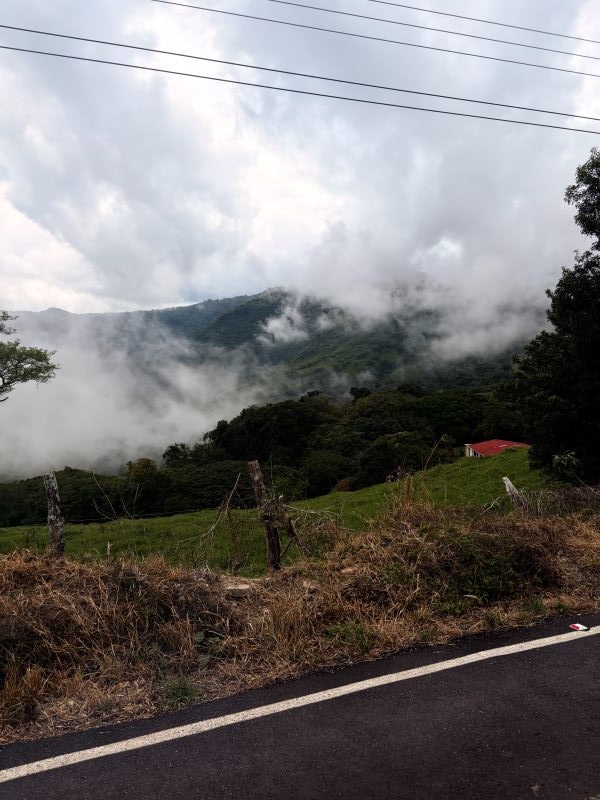
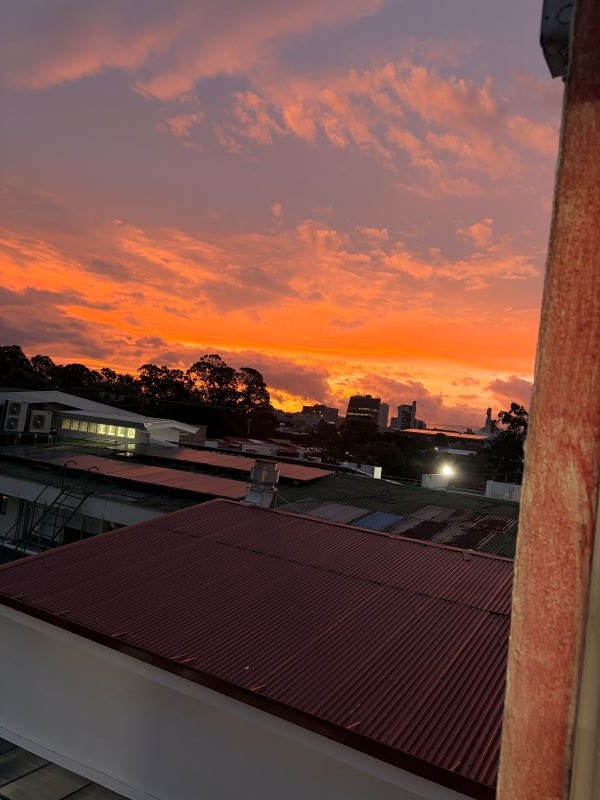
I can always still care about finishing college, beginning my career, and creating a successful future. However, Costa Rica taught me that I can work toward those things without allowing pressure to take over my entire life. As one of the most incredible and influential professors I had while studying abroad would say: “Sometimes it is worth stopping to look at the mountains or the sunset.”
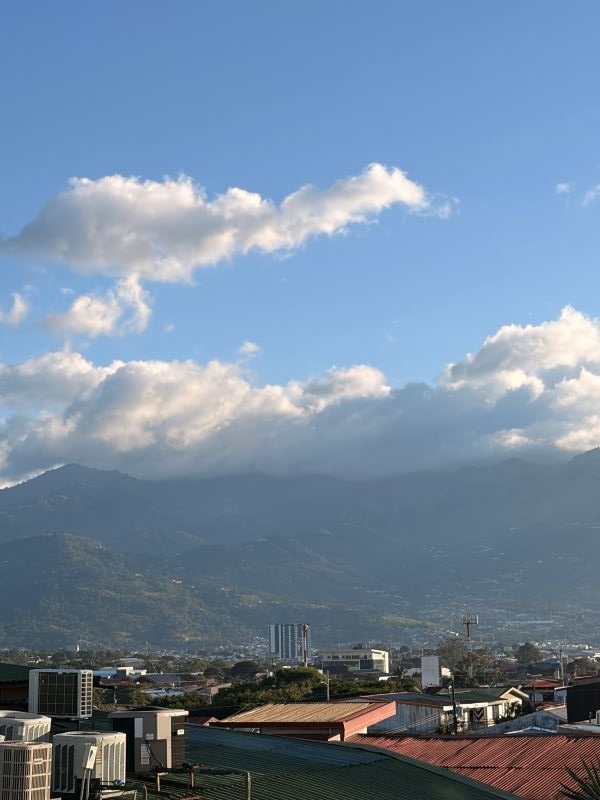
I also want to continue speaking Spanish, connecting with Spanish-speaking communities, and learning about cultures outside the United States. In my future work in communications, I want to use the international perspective I developed abroad to understand different audiences and communicate overlooked stories. Most importantly, I want to continue trusting myself. Costa Rica showed me that anxiety can be present without controlling my decisions.
Costa Rica was special because of the people, my host family, my professors, the university environment, and the culture surrounding me. It allowed me to meet a version of myself that I had not fully experienced before. I returned as a more independent and confident version of the person I already was. Costa Rica taught me that slowing down does not prevent progress and that sometimes the best way to discover what you are capable of is to leave the places where you already feel comfortable.
Final Takeaway
Whether you're thinking about studying abroad or you're already signed up and ready to go, my main takeaway is to go somewhere by yourself in the country you chose to study in. I believe it’s the best way to truly immerse yourself in the culture and understand the people and who you really are. Having friends around you in the program from the States is, of course, great, but I believe you’ll never have truly new experiences unless your thinking and environment are completely changed. It’s once you step into the unknown that things are now being created. It’s uncertainty, and you never know what you may find out about yourself, about others, etc. After all, isn't that what makes uncertainty and the unknown so uncomfortable? It’s where change lives, but I think sometimes we forget it’s where creation is born.
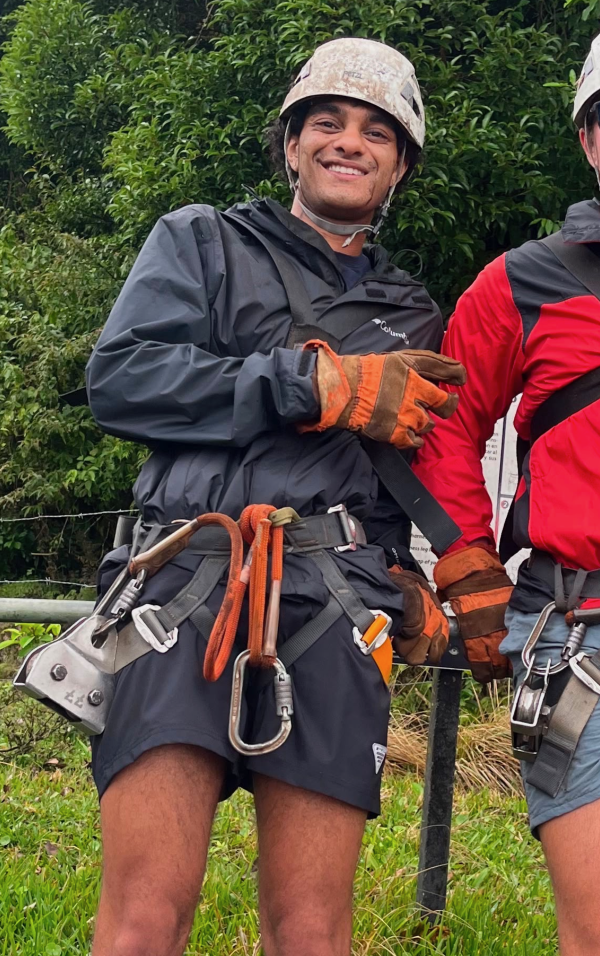
If you have the chance to study abroad and there’s hesitation, let it go and do it. Step into uncertainty, try new things, and figure out who you really are.
This post was written by Gabriel Romero, a student at West Chester University of Pennsylvania who studied abroad in San José, Costa Rica.
